Most travel checklists hand you a list of 78 things and call it a day. None of them tell you when to act or what anything costs. We went through the top sources and pulled out what actually matters, organized by category, so you can pack smart and leave nothing critical behind.
Clothing Essentials
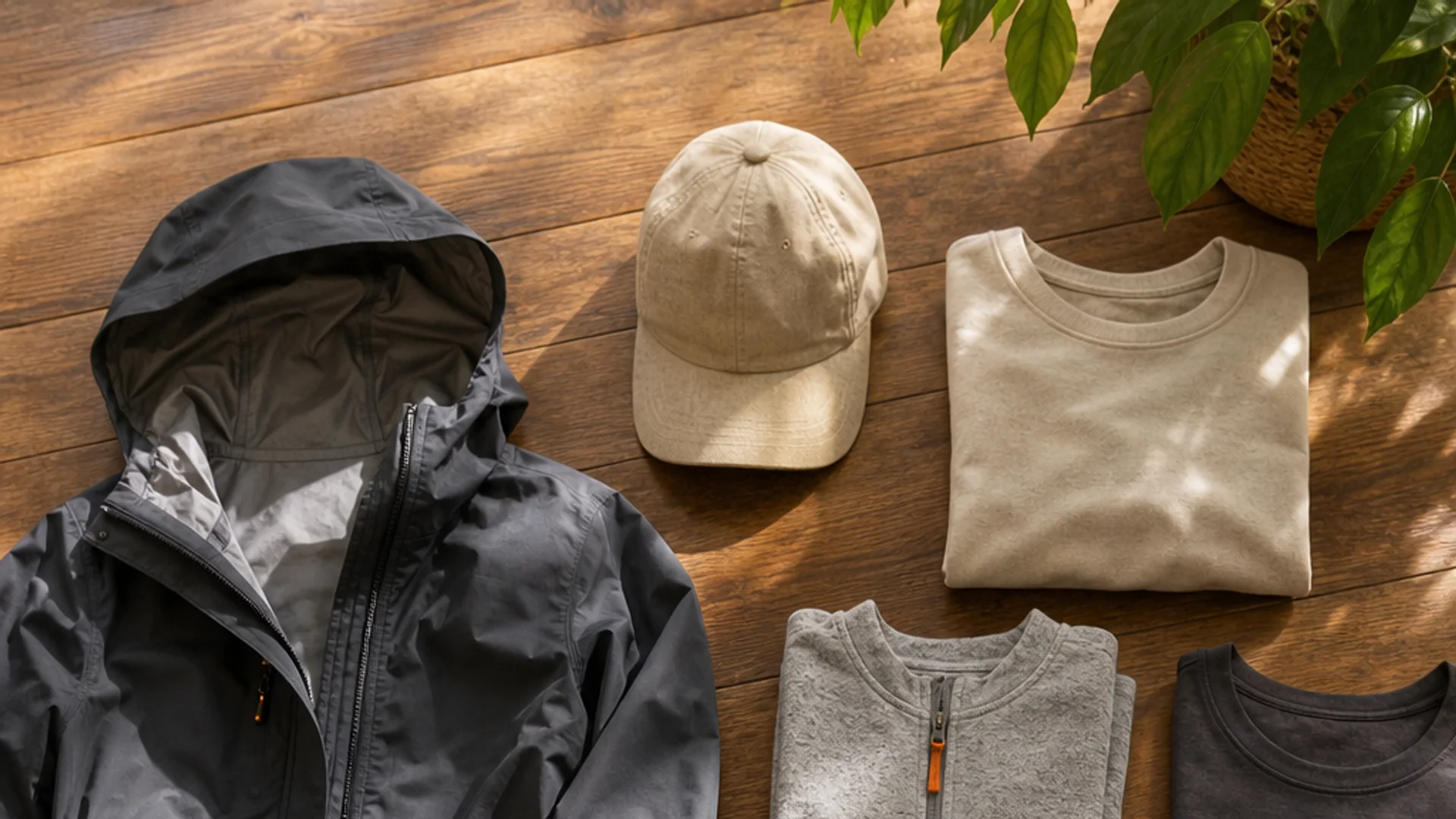
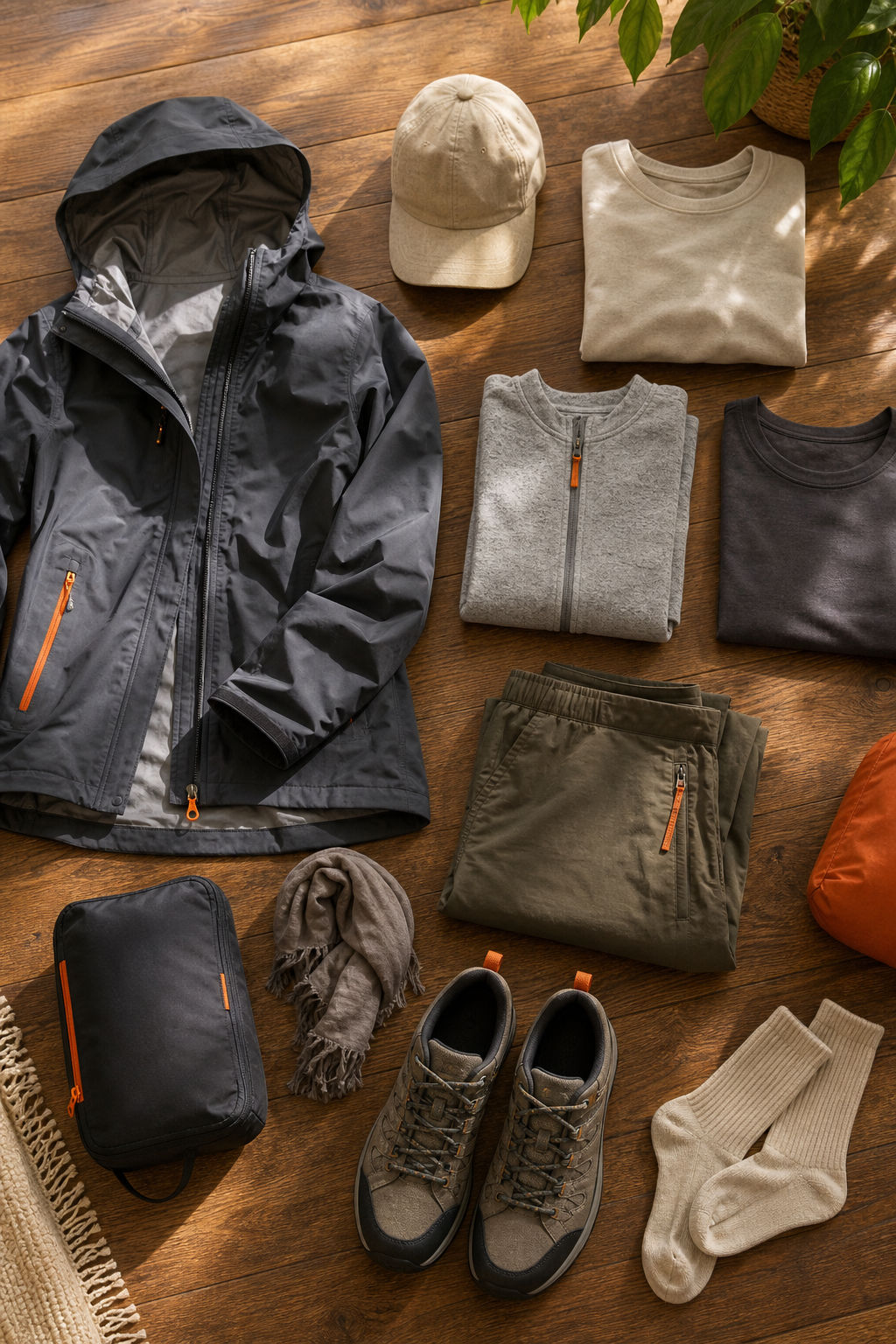
Clothing is where people over-pack the most and think the least. The goal is versatility: items that work across multiple settings, dry fast, and don’t take up half your bag.
Start with a light, waterproof jacket. So you won’t be stuck inside all day.
Shoes deserve more thought than they get. Comfortable footwear with real traction is non-negotiable. If you’re heading somewhere with varied terrain, a second pair makes sense. Sandals in summer, waterproof shoes in winter. Whatever you bring, break them in before you leave. Blisters on day one are a trip-ruiner, and no amount of planning fixes that.
For bottoms, lightweight cotton or a synthetic blend beats heavy denim on most trips. Jeans dry slowly and weigh more than they’re worth unless you’re wearing them on the plane to save bag space. An adapter and converter ensures compatibility with local power outlets.
Swimwear is easy to forget if you’re not going somewhere obviously beach-adjacent. Pack it anyway. Public pools in many European cities require a proper swimsuit, not shorts. In France, men specifically need a fitted swimsuit style, not board shorts.
Travel insurance protects against medical emergencies, trip cancellations, and lost luggage. Art museums run cold. Cathedrals run cold. If you’re heading somewhere like Vienna in winter, layering is the whole strategy. Check our guide on what to pack and do in Vienna in January for a destination-specific breakdown.
If you’re dressing for a city with distinct neighborhoods and dress codes, layering matters more than volume. Think about what you’d wear to a nice dinner versus a day of walking. Often it’s the same outfit with a scarf swapped in. For inspiration on city‑specific style, see our Top Must‑See Cities in Italy guide, which notes typical dress expectations in each locale.
Pro Tip: Pack performance socks, not 100% cotton. They dry overnight after a wash in the sink, which matters on trips longer than a week.
Health & Safety Gear
A first‑aid kit is the item people skip and then regret. Resources suggest building your kit around the specific risks of your destination. Camping in bug‑heavy terrain needs tick tweezers and antihistamine. A beach trip in high heat needs blister care and something for sunburn. The kit you assemble for a city break in Berlin is different from one for a two‑week trek.
At minimum, bring basic first‑aid supplies such as bandages, disinfectant wipes, pain‑relief medication, and any personal medications you need. Keep them in their original labeled containers when crossing borders, as some countries require it.
Sunscreen and insect repellent belong in every bag, not just beach bags. Sun exposure at altitude or on reflective water surfaces is higher than most people expect. Insect repellent matters in any destination with standing water, which includes a lot of cities in warm climates.
A money belt or hidden pouch keeps your passport, cards, and cash against your body and out of reach. Modern versions use protective material that blocks RFID signals, which prevents contactless card skimming. The flat ones sit under a waistband without bulk. You genuinely stop thinking about them after the first hour. Reflective clothing adds an extra layer of safety for valuables that don’t fit in a money belt.
Bright or high‑visibility clothing is worth including if any part of your trip involves walking near traffic at night, which happens more than you’d plan for. A door lock can add security in budget accommodation where door security is inconsistent. It weighs almost nothing.
If you’re traveling to destinations with health risks, consider travel insurance for coverage of medical emergencies and post‑trip health concerns. For destination‑specific health prep, insurance can provide peace of mind before visiting regions with known health hazards.
Electronics Must‑Haves
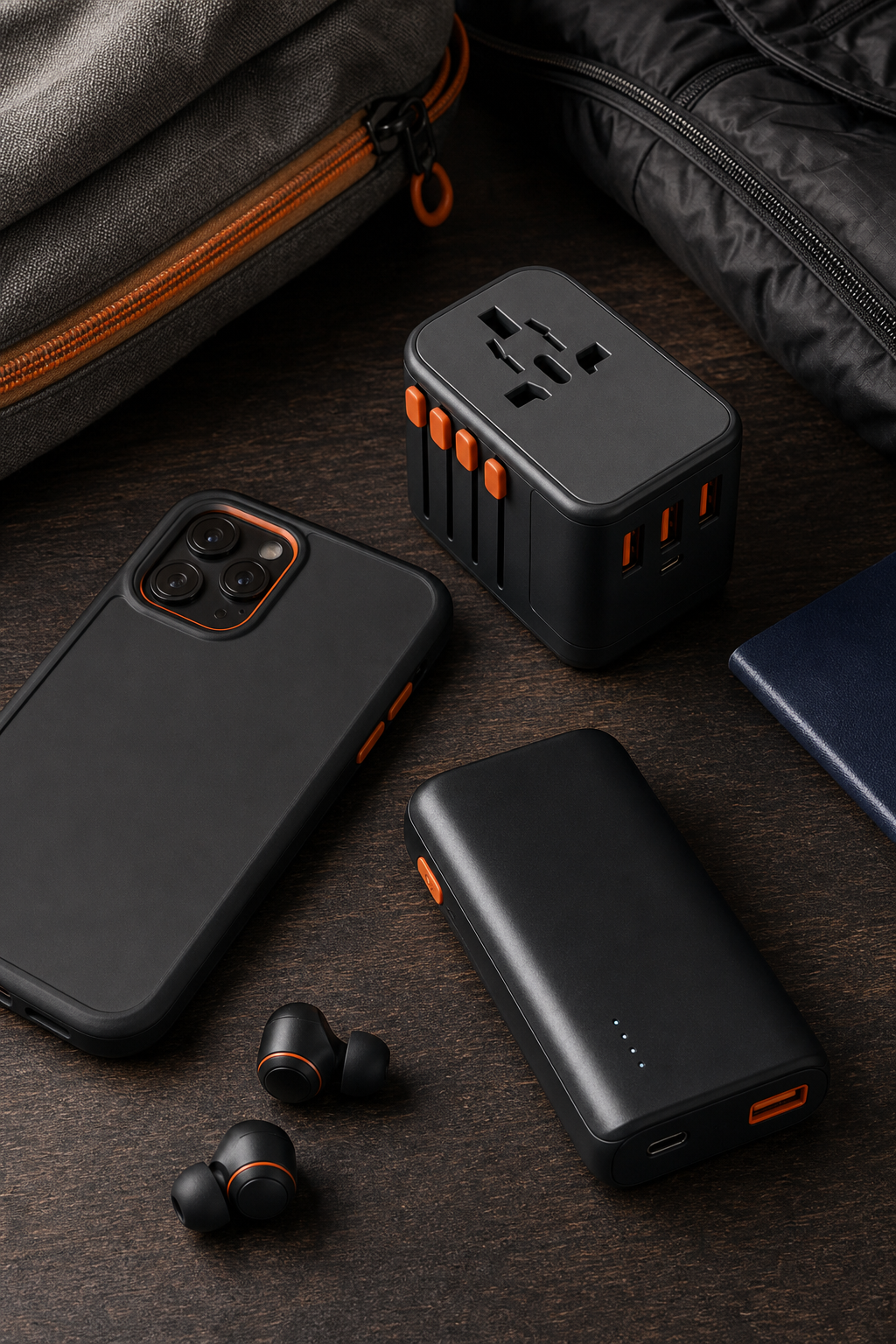
Your phone is your camera, map, alarm, flashlight, and boarding pass. Keep it charged and protected. A good case prevents the scenario where you’re 3,000 miles from home with a cracked screen and no backup.
A portable power bank is the item that earns its weight every single day. Long transit days, theme parks, full days of city navigation, your phone battery won’t survive any of these without help. Charge the power bank overnight and you won’t need to hunt for an outlet mid-day.
An adapter and converter is essential for international trips. Electrical outlets vary significantly by country, and the voltage difference between regions (110-120V versus 220-240V) can damage devices if you use the wrong adapter. Look for one with surge protection and multiple USB ports so you can charge several devices at once. Safety certifications like CE or FCC matter here. A cheap adapter with no protection can fry your laptop.
Audio accessories can make long flights more comfortable. If you’re traveling with a partner, a simple audio splitter lets you share audio without buying two sets of wireless.
For destination-specific electronics prep, like knowing whether your phone works on local SIM cards or which apps to download offline, Dream Book Travel’s destination guides cover the logistics. Our Japan travel guide includes transit app recommendations and offline map tips that apply across most major destinations.
Key Takeaway: The adapter, power bank, and phone case are the three electronics items that most travelers wish they’d bought before the trip rather than scrambling for at an airport shop at double the price.
Travel Finance & Insurance
This is the section most checklists skip entirely. None of the major packing lists we reviewed included a single cost estimate for any item. That’s a gap worth filling.
Travel insurance covers medical emergencies, trip cancellations, and lost luggage. The coverage varies significantly by plan. Travel insurance outlines the typical benefit categories: emergency medical, evacuation, cancellation, and baggage loss. What most travelers miss is that standard health insurance often doesn’t cover you abroad, and medical evacuation from a remote location can cost tens of thousands of dollars without coverage.
Buy insurance before you leave, not after something goes wrong. Most policies won’t cover pre-existing conditions or events that have already started. The window to buy is the day you book, not the day before departure.
On the card side, a travel rewards credit card with no foreign transaction fees saves money on every international purchase. If you already have a travel rewards credit card, you may have trip delay, baggage delay, and rental car coverage built in. Check your card’s benefits before paying for separate coverage that duplicates what you already have. A detailed guide on credit‑card travel benefits can be helpful before your next trip.
Bring a debit card, a credit card, and a small emergency stash of local currency or USD. ATMs abroad are usually the cheapest way to get local cash, but they’re not always available when you need them. Having a modest amount of cash as a backup can be useful.
One thing almost no checklist mentions: timing. Book travel insurance the same day you put down a deposit on a non‑refundable booking. Renewing a passport takes 6-8 weeks in normal processing times. These aren’t “before departure” tasks. They’re tasks for the week you book.
If you’re still figuring out when to book flights to save money, our guide on the cheapest months to fly to Europe breaks down price patterns by season with real numbers.
Convenience & Comfort Items
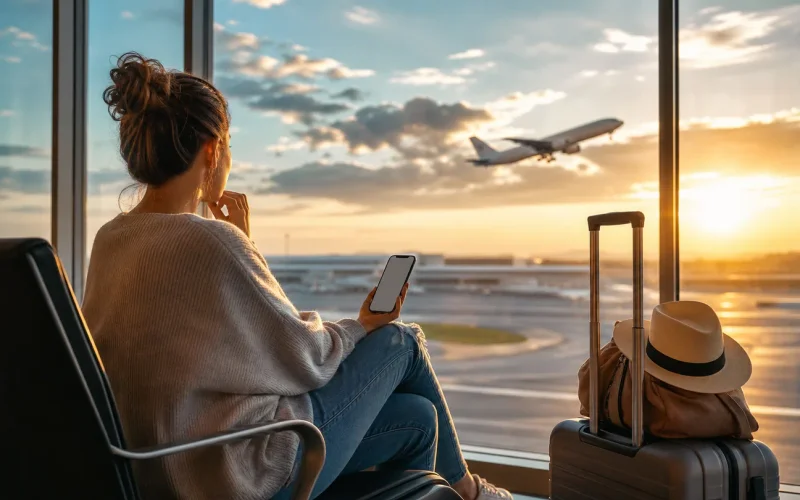
These are the items that don’t feel essential until you’re 9 hours into a flight or stuck in a middle seat on a red‑eye.
A light, waterproof jacket is essential for unpredictable weather. Choose one that’s packable and includes a hood so you can stash it in your bag and stay dry without bulk.
An eye mask is cheap, light, and makes a real difference on daytime flights or in accommodation where blackout curtains don’t exist. Keep it somewhere accessible, not buried in your checked bag.
A tablet loaded with downloaded content covers long flights, long waits, and slow travel days. Download everything before you leave home. Airport and in‑flight Wi‑Fi is unreliable and often slow. Netflix, Spotify, and most podcast apps have offline modes. Use them.
A versatile travel bag that fits carry‑on requirements and is easy to carry makes the whole trip smoother. The right bag means you’re not checking luggage, which means you skip baggage claim, avoid lost bag risk, and move faster. For shorter trips, a compact travel bag or a soft‑sided carry‑on covers most needs.
Small comfort items that most people forget: a reusable water bottle (many airports have free filtered water stations past security) and an adapter and converter to ensure your electronics work with local outlets.
If you’re heading somewhere with a specific activity focus, like off‑road driving in Baja, gear needs shift. For that kind of trip, logistics like off‑road adventures require additional safety gear beyond the standard travel kit. Travelers using a central hub can also enrich their stay with nearby excursions; check the Best Day Trips from Bratislava guide for examples of quick getaways.
FAQ
How far in advance should I start a travel planning checklist?
Start your checklist the day you book. Passport renewal takes 6-8 weeks in standard processing. Travel insurance should be purchased at booking, not the week before departure. Visa applications for some countries require 4-6 weeks. Most packing tasks can wait until 1-2 weeks out, but documentation and financial prep belong in the booking window.
What’s the one thing most people forget to pack?
An adapter and converter. It’s not glamorous and it’s easy to assume you’ll buy one at the airport. Airport adapters are overpriced and often low quality. Buy one with surge protection and multiple USB ports before you leave. The second most forgotten item is a portable power bank, especially for long travel days.
Do I really need travel insurance for every trip?
Yes, for international trips. Your domestic health insurance typically doesn’t cover medical treatment abroad, and emergency evacuation can be very expensive without coverage. For short domestic trips, the calculus changes. But for any trip with non‑refundable bookings or international medical risk, insurance is worth the cost. Buy it at booking, not the day before departure.
How do I keep my travel checklist from getting too long?
Organize by category and cut anything that serves only one purpose. A versatile piece of clothing that can serve multiple purposes is worth packing. A specialized gadget for one use case probably isn’t. Ask whether each item can be bought at the destination if needed. If the answer is yes and the item isn’t critical, leave it behind.
What financial tools should be on my travel checklist?
A no‑foreign‑transaction‑fee credit card, a debit card for ATM withdrawals, and a small cash backup. Check whether your credit card already includes travel insurance before buying a separate policy. Notify your bank before departure so your cards aren’t blocked. A money belt keeps documents and cards safe in crowded areas.
Is a packing list the same as a travel planning checklist?
No. A packing list covers what to bring. A travel planning checklist includes documentation timelines, insurance, booking confirmations, health prep, and financial setup. Packing is the last step. The planning checklist starts the day you book and covers everything that needs to happen before you zip the bag.
Final Thoughts
The gap in most checklists isn’t the gear list. It’s the timing and the cost. Start your planning the day you book, not the week before departure. Get insurance, renew documents, and sort your cards early. The packing comes last. If you want destination‑specific planning help with real prices and honest trade‑offs, Dream Book Travel’s guides are built exactly for that. Start with wherever you’re headed next.
Seven European destinations that are genuinely solo-female-friendly — excellent transit, low harassment risk, English accessibility, and solo-friendly culture.
Verdict: Portugal and the Netherlands are where I send every nervous first-timer. All seven destinations on this list passed a current government advisory check as of July 2026 — but read the full picture, not just the headline number.
Is Mexico safe for solo female travellers? Advisory-checked as of July 2026: which states to skip, where I'd go, and the transport rules that actually matter.
Verdict: Parts of Mexico are among the most rewarding solo trips I know. Parts are not somewhere I would go alone right now. The difference is almost entirely about which state — and that read lives in the advisory, not in the headlines.
Looking for free flight price alert apps? We compare 7 tools for tracking airfare deals, from Google Flights to Going. Find the right one for your next trip.