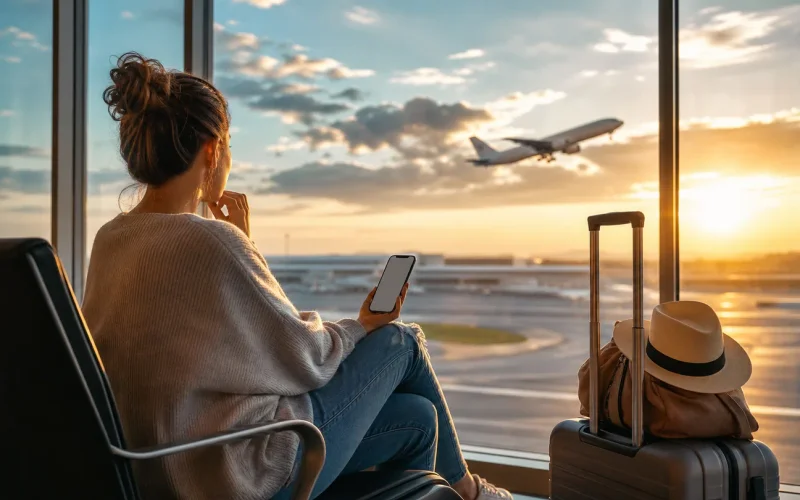
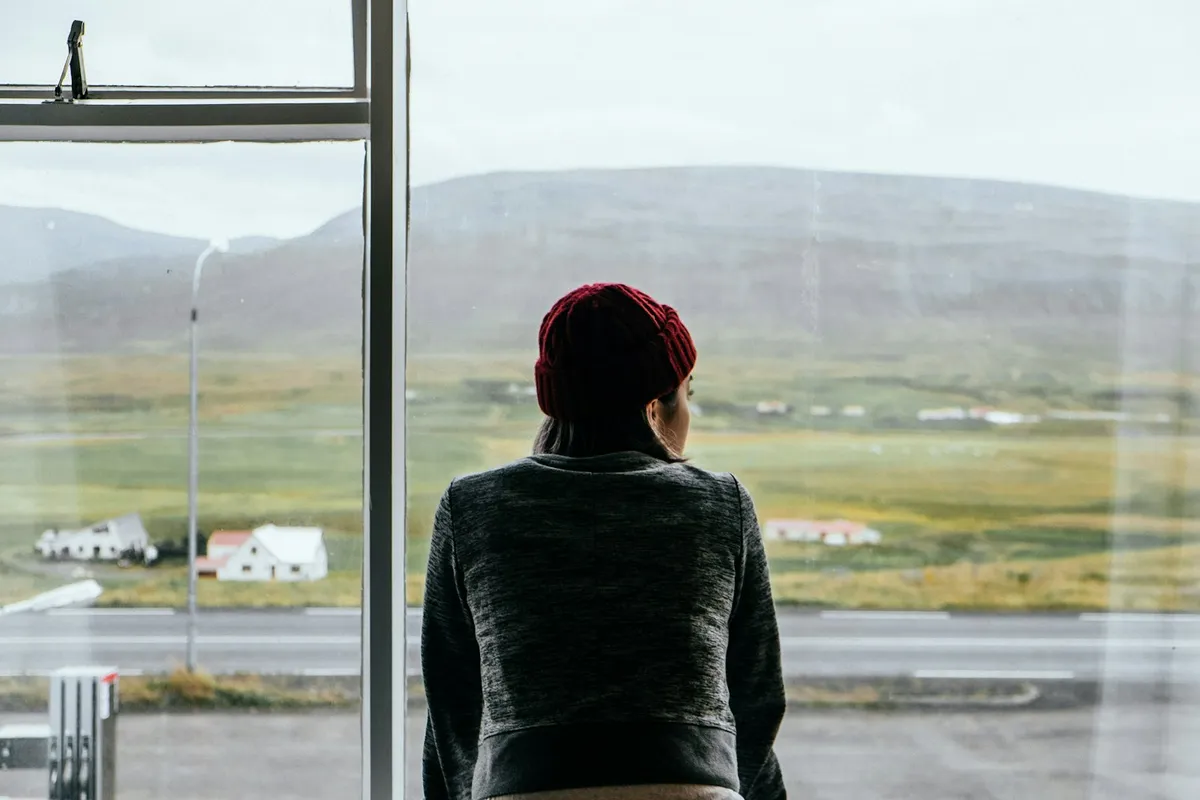
I have been building this list in my head for three years, every time a woman emails me to ask where she should go for her first solo trip in Europe and I want to give her something more honest than what the internet serves up.
The problem with most “best places for solo female travel in Europe” lists is that they are either airbrushed — every city is “incredibly safe and welcoming!” — or they are fear-soaked, which does not help anyone book a flight. What I actually want to give you is what I would give a friend over coffee: the real picture, the trade-off, the neighborhood to stay in, the first thing to do, and a current read on where the official advisories land as of July 2026. Because a woman may plan a real trip around what I say, and I take that seriously.
A note on safety ratings before we get into it. I checked each of these destinations against the US State Department’s Travel Advisory at travel.state.gov and the UK Foreign, Commonwealth and Development Office (FCDO) at gov.uk/foreign-travel-advice as of July 2026. The State Department rates countries from Level 1 (exercise normal precautions) to Level 4 (do not travel). Every destination on this list is Level 1 or Level 2. But read the paragraphs underneath the number — a Level 2 for a whole country can mean one region is the concern, not the whole country. I will tell you where that matters.
These seven destinations are the ones I would visit again — and several I have. They made the list because they have reliable public transport (so you are not dependent on strangers for a ride), low baseline harassment risk compared to other European destinations, widespread English accessibility, and a hostel and hotel culture that genuinely accommodates people traveling alone. They are also honest about what they are not, because that is how you pick the right one for where you are right now.
1. Porto, Portugal — where I started, and still where I send nervous first-timers
State Department advisory as of July 2026: Level 1 — exercise normal precautions.
FCDO: no warnings for mainland Portugal.
I have to start here because Porto is where my whole solo travel life began, and I am not objective about it. But I also think my lack of objectivity is useful, because I can tell you exactly why a scared 41-year-old woman with no solo travel experience landed there and left feeling like she could do this again.
Porto is compact. The historic center, Ribeira, runs along the Douro river and everything of interest is within walking distance or a short tram ride. You do not need to figure out a complex transit system on day one. The streets are hilly and cobbled and occasionally confusing, but you will not accidentally end up somewhere that feels unsafe — the city’s tourist infrastructure is concentrated and well-lit.
The single supplement problem is softer in Porto than in many European cities. A well-located studio apartment in Ribeira or Bonfim runs cheaper than a hotel room for two, and the short-term rental market is dense enough that you have real options. Bonfim, just east of the center, is where I would tell a nervous traveler to stay now — it is residential, walkable, a little quieter than the tourist core, and the cafes are full of locals who are used to people eating alone.
Best neighborhood to stay: Bonfim for a quieter, residential feel. Ribeira if you want the river immediately outside your door and you are comfortable with tourist-density streets.
First day tip: Take the 28-style route along the waterfront to the wine caves across the Dom Luís bridge in Vila Nova de Gaia. Most are free or very cheap to enter, the tasting portions are small, and the whole morning gives you a reason to leave the room, involves no complicated logistics, and ends with a grilled lunch somewhere with a view. Do this first. It will tell you that Porto is on your side.
Transport from airport: The Metro Line E runs directly from Francisco Sá Carneiro Airport to Trindade station in about 30 minutes for a few euros. Reliable, clear signage in English, runs until after midnight.
The honest trade-off: Porto is busy. Summer crowds in Ribeira and on the Dom Luís bridge are serious. If you want somewhere quieter, consider going in shoulder season (May or October), or go early in the morning when the tourists are still sleeping. The city is still there at 8am and it belongs to you.
2. Lisbon, Portugal — better transport, slightly bigger city
State Department advisory as of July 2026: Level 1.
FCDO: no warnings for mainland Portugal.
Lisbon is bigger than Porto, which means more to navigate but also more options at every level. The metro is excellent — four lines, clear English signage, runs reliably — and the tram network, while charming, is slower and crowded enough that I tend to walk or metro for anything beyond a scenic ride.
Baixa is where the tourist concentration is highest, and it is also where the pickpocketing is most persistent. The 28 tram in particular — the famous yellow one that climbs through Alfama — is a known target for opportunists. I keep my phone zipped inside a bag there and I treat my pockets as empty. Not because I think something is going to happen, but because it costs me nothing to do and it keeps the day uncomplicated.
Alfama is where I want you to stay, not because it is the cheapest (it is not) but because it is the most alive. The neighborhood is genuinely residential, the fado music coming out of the small restaurants in the evening is not performed for tourists, and walking it alone at night felt fine to me. That said, the streets are dark and steep and I always texted my contact the address of wherever I had eaten before I walked home. Habit, not fear.
Best neighborhood to stay: Alfama for atmosphere and a residential feel. Príncipe Real is quieter, more boutique, and where I would go if I wanted more upscale calm.
First day tip: The free Sunday morning market at Feira da Ladra in Campo de Santa Clara. It starts early, it is full of locals, and it gives you an immediate sense of the city moving on its own terms, not for you. Eat a pastel de nata from a bakery you walk past on the way there. Then walk down to the waterfront and figure out what you want to do next.
Transport from airport: The Metro Red Line connects the airport to central Lisbon in about 25 minutes. Very easy, clear, runs until after midnight.
The honest trade-off: Lisbon is more expensive than Porto now, and the tourist density in the historic center is genuinely intense in high summer. If crowd management is something you struggle with, consider Porto instead, or visit Lisbon in early May or late September.
3. Amsterdam, Netherlands — the logistics are almost impossibly easy
State Department advisory as of July 2026: Level 1.
FCDO: no warnings for the Netherlands.
I went to Amsterdam alone for four days last autumn and I kept thinking about how easy everything was. Not easy as in nothing interesting happened, but easy as in the city seemed to have been designed with the assumption that people navigate it independently. The tram system runs constantly, stops are signed clearly in Dutch and English, the OV-chipkaart covers tram, metro, and bus with a single tap, and the scale of the central canals area is small enough that I walked almost everywhere and never felt lost for long.
English accessibility is unusually high. Not only does almost everyone speak English — the signage, menus, and transit instructions are routinely available in English without your having to ask. For a first European city, this reduces a specific kind of low-grade exhaustion that comes from constantly trying to read things in a language you do not speak.
The canal belt, the Jordaan neighborhood, and De Pijp all felt comfortable to me as a woman walking alone in the evenings. The red light district is a different thing — it is loud, it attracts a specific crowd late at night, and I walked through it out of curiosity once and did not go back at night. It is not dangerous, but it is not the Amsterdam I would tell you to spend evenings in.
Best neighborhood to stay: Jordaan or Oud-West. Both are residential canal neighborhoods, excellent food and coffee, and the morning quiet is lovely. De Pijp is slightly further from the center but very lively and genuinely multicultural.
First day tip: Rent a city bike from a shop near your accommodation (not the tourist stands at the station — the queues are enormous) and ride the canal belt in the morning before the crowds. You do not have to be a confident cyclist; the city bike lanes are wide, separated from traffic, and extremely forgiving. It is the fastest way to feel like the city is yours.
Transport from airport: The Intercity Direct train from Schiphol to Amsterdam Centraal takes 17 minutes and runs every 10 minutes. It costs about five euros with an OV-chipkaart. Impossible to get wrong.
The honest trade-off: Amsterdam is expensive. Solo accommodation in Jordaan in summer will cost you more than Portugal. Budget carefully and consider shoulder season. The city in November is cold but quiet and completely different.
4. Copenhagen, Denmark — quieter, more expensive, genuinely exceptional
State Department advisory as of July 2026: Level 1.
FCDO: no warnings for Denmark.
Copenhagen is the city I went to with the most anxiety about cost and left thinking it had earned every cent. It is expensive — genuinely so, not in the exaggerated way that travel writers say everywhere is expensive — but the logistics are so clean that I found I spent less energy than anywhere else I have been.
The Metro runs 24 hours a day, every day. This is not a small thing when you are a solo woman calculating whether to get home before midnight. It means you make decisions about where to eat and how late to linger based on what you actually want, not on the last train. The S-Tog suburban rail and the buses fill in the rest. I never needed a taxi.
Nørreport is the transit hub, and the neighborhoods around it — Nørrebro and Vesterbro — are where I would tell you to stay if you want something residential and real. Vesterbro in particular has a street-food culture (Torvehallerne is nearby) and a mix of residents that felt genuinely welcoming, not touristy. The city center around Strøget is fine but feels more anonymous.
Harassment risk in Copenhagen felt very low to me, and this is consistent with what I read from other solo women on r/solotravel and r/travel. That said, I keep the standard practices: keep my phone in my bag in crowded areas, walk purposefully, and I do not use headphones in both ears at night. Habit more than necessity.
Best neighborhood to stay: Vesterbro for a residential, food-focused feel. Nørrebro if you want the multicultural side of the city and cheaper coffee.
First day tip: Walk or cycle to Nørreport, pick up something from Torvehallerne market for breakfast, and spend the morning in the Botanical Garden just north of it. It is free, it is beautiful, and it gives you a soft landing that costs nothing and requires no planning.
Transport from airport: The Metro runs directly from Copenhagen Airport (Kastrup) to the city center in about 15 minutes. Clean, clear, 24-hour.
The honest trade-off: Budget. A week in Copenhagen solo will cost you more than two weeks in Portugal. If you are working with a limited budget, go in the shoulder season, stay in an apartment rather than a hotel, and cook some of your meals — the supermarkets (Netto, Lidl) are good and the apartment rentals usually have kitchens.
5. Edinburgh, Scotland — familiar language, dramatic setting, genuinely manageable
State Department advisory for the UK as of July 2026: Level 1.
FCDO: not applicable (domestic).
I am slightly cheating by including Edinburgh in a Europe list since the UK has left the EU, but it is the destination I recommend most often to North American women who are genuinely nervous about managing in a foreign language and want to ease themselves in. You speak the language. The signage is in English. The cultural codes are legible. This is not a small thing if the anxiety underneath your first solo trip is “what if I cannot navigate?”
Edinburgh is a city that rewards solo exploration in a specific way. The Old Town, built along the ridge of the Royal Mile between the Castle and Holyrood Palace, is dense and dramatic and you can walk it completely alone in a day and feel like you have done something. The streets are well-lit. The pubs operate on a table-service-or-bar-service model where eating alone is completely unremarkable — the bar seat is genuinely sociable if you want it to be, and completely solitary if you don’t.
The Meadows neighborhood, just south of the Old Town, is where I stayed and where I would stay again. It is residential, there are independent coffee shops and bakeries, and the walk up to Arthur’s Seat from there took me about 45 minutes and felt completely safe even early in the morning alone.
Best neighborhood to stay: The Meadows or Newington, south of the Old Town. Both are residential, well-connected by bus, and walk to the castle.
First day tip: Walk the Royal Mile from the Castle down to the Palace of Holyroodhouse at opening time, before the afternoon crowds. Stop in St Giles’ Cathedral (free entry). Then climb Arthur’s Seat in the late afternoon when the light is better. You will be breathless and the city will be below you and it will feel like the right start.
Transport from airport: The Edinburgh Trams line runs from the airport to the city center (York Place/St Andrew Square) in about 35 minutes for around £8. Reliable and easy.
The honest trade-off: The weather. I will not pretend Edinburgh in July is reliably warm and sunny — it is not. Pack a waterproof layer even in summer and accept that some days the haar (sea fog) rolls in and the dramatic views disappear. The city is still beautiful in the rain, but you should know going in.
6. Barcelona, Spain — vibrant and wonderful, but know what you are walking into
State Department advisory as of July 2026: Level 2 — exercise increased caution.
FCDO: some areas of Spain require increased caution. Terrorism threat noted.
I am including Barcelona because it is one of the most requested European destinations from women who write to me, and I think it is a wonderful city to visit solo. But I want to be honest about the Level 2 advisory before you go.
The Level 2 for Spain is primarily linked to a terrorism threat that the FCDO and State Department both note without specifying imminent incidents. The petty crime picture — particularly theft in tourist-heavy areas — is the thing that will actually affect your daily experience. Las Ramblas, the Gothic Quarter, and the Metro are all areas where pickpocketing happens at a rate that is above what I experience in most Northern European cities. I use a crossbody bag I can hold against my body, I keep my phone in a zip pocket, and I do not put anything of value in a day bag I cannot see.
Gracia is where I want you to stay. It is a neighborhood of wide pedestrian streets, independent restaurants, squares where locals actually sit in the evenings, and very little of the concentrated tourist chaos of the Gothic Quarter. It is served by Metro Lines 3 and 7. Walking from Gracia to Park Güell takes about 20 minutes and you arrive before the tour buses if you leave by 8am.
Best neighborhood to stay: Gracia or Eixample. Both are genuinely residential and quieter than the Old Town tourist core.
First day tip: Walk to the Mercat de l’Abaceria (the Gracia market, smaller and far less crowded than Boqueria) for breakfast. Then take the Metro or walk to Sagrada Família first thing — book your timed entry in advance online, go at opening, leave before the cruise-ship groups arrive.
Transport from airport: The Aerobus coach runs from terminals T1 and T2 to Plaça Catalunya in about 35 minutes and is the most straightforward option. The train (Rodalies line R2 Nord) from Terminal 2 is cheaper but takes slightly longer and requires a connection if you are staying in Gracia.
The honest trade-off: The petty crime picture is real and it is a minor but consistent tax on your attention. If managing that vigilance sounds exhausting to you right now, start somewhere on this list where that background work is lighter — Portugal or the Netherlands — and come to Barcelona when you are already comfortable managing that layer.
7. Reykjavik, Iceland — small, walkable, strikingly safe, and genuinely its own thing
State Department advisory as of July 2026: Level 1.
FCDO: no warnings for Iceland.
I debated including Reykjavik because it is very small — the entire city is walkable and there are about 130,000 people in the greater metro area — which makes it feel like a different kind of destination than the others on this list. But I keep coming back to it when women ask me where they can feel completely unguarded, because Iceland has one of the lowest violent crime rates in the world and the kind of social culture where a woman eating alone or walking alone at midnight in summer is simply not a thing that draws attention.
The midnight sun in June and July means that late-night safety calculations dissolve. At 11pm it looks like early evening. You can walk anywhere and it is light and there are people and it is fine. I have never felt this particular ease anywhere else.
Reykjavik has no metro. The bus system (Strætó) runs reliably between the main city areas, and the city center is small enough that you can walk from your accommodation to almost anywhere that matters. The main tourist areas — Hallgrímskirkja, Harpa, the old harbor — are all within a 20-minute walk of the central guesthouses.
The accommodation price is high. Iceland is expensive. But the hostel culture is well-developed, and the well-reviewed hostels (Kex, Loft) have private rooms that split the difference between hostel price and hotel price. Both have excellent common spaces if you want to be around people, and easy opt-out privacy if you don’t.
Best neighborhood to stay: The old town center, anywhere within walking distance of Hallgrímskirkja. It is all small enough that central is genuinely central.
First day tip: Rent a bicycle or walk to the old harbor in the morning and take the Whale Watching early boat (book the day before — the 9am slot is less crowded than the midday one). Then walk back along the Sæbraut coastal path. You do not need a car on day one, and you get an immediate sense of the strange, volcanic, saltwater strangeness of the place that will recalibrate everything.
Transport from airport: Keflavík International Airport is 50 kilometers from Reykjavik. The Flybus shuttle is the standard option — it runs to the BSÍ bus terminal in the city center and takes about 45 minutes. Book in advance; it is the simplest option and runs to meet every arriving flight.
The honest trade-off: Iceland in summer is overrun with tourists in a way that Reykjavik manages better than the Ring Road does. If you want the landscape, you will need a car or a structured tour. Reykjavik itself is manageable and small; the rest of the country is large and logistically demanding for a solo traveler without driving experience on narrow mountain roads.
How to use this list
I would not tell you which of these is right for you, because the right one depends on where you are standing in your own fear right now.
If this is your first European solo trip and the thing you are most afraid of is not being able to manage, start with Edinburgh (language) or Porto (ease and price). If you are comfortable with transit and language and want somewhere exceptional but efficient, go to Copenhagen or Amsterdam. If you want something warmer and more alive, with the understanding that you will carry a little more vigilance, Barcelona is worth it. Iceland is its own thing entirely and I recommend it for the woman who wants to feel completely unguarded.
Read the full State Department advisory for your chosen destination before you book, enroll in the free STEP program so your embassy knows your itinerary, and check the FCDO advisory if you hold a UK passport. Both are updated regularly and the paragraphs below the headline number are where the useful information lives.
Then book the flight. You do not need to feel ready. You become the woman who can do this by doing it, and the first solo trip, wherever it is, will teach you more about your own capability than anything else I could say here.
I have written a fuller practical safety guide with the moves I use in every destination — what I carry, how I manage arrivals, how I think about accommodation and neighborhoods — in my solo female travel safety tips piece. Read that before you go. And if you are still working out whether solo travel is for you at all, start with my piece on what it actually means to be a solo traveler woman.
The places are waiting. Pick the one that fits where you are right now, not the one that looks most impressive in a caption. That is the whole move.