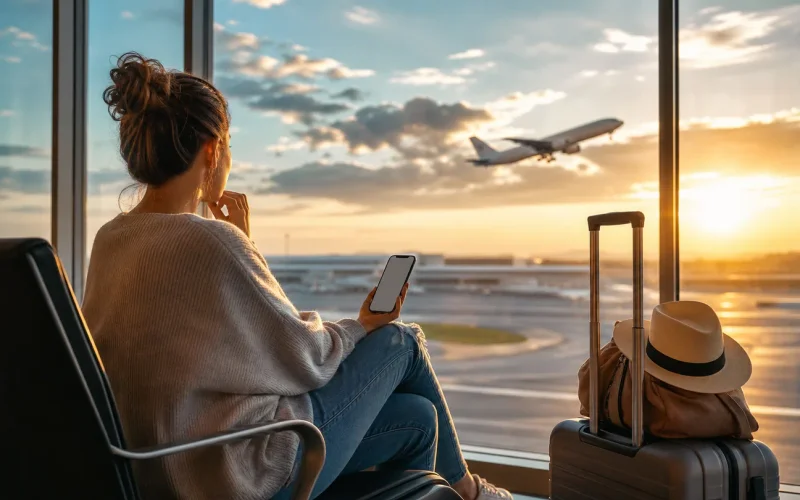
The night before my first solo trip I sat on the bedroom floor surrounded by everything I was considering taking. There was a first aid kit big enough for a small village. A rain poncho in a pouch the size of a tennis ball, which I bought because I was afraid of weather. Three cardigan options because I was afraid of temperatures. A travel umbrella because I was afraid of things I could not name.
I took two large bags. I dragged them through two airports and across a cobblestone street that was longer than I expected, at 11pm, alone. By the time I reached my room I sat on the bed and understood what had happened: I had packed every single item out of fear. And most of those fears were not going to materialize.
Four years later, the list I carry is shorter. Not because I figured out what to cut first, but because I paid attention to what I actually used on the road. Everything on the list now earned its place. The things that are not on it are things I stopped packing after learning, usually in the middle of a trip, that I did not need them.
This is the real list, organized by category, carry-on sized, built for a woman traveling alone.
Why carry-on only (and why it matters more when you travel alone)
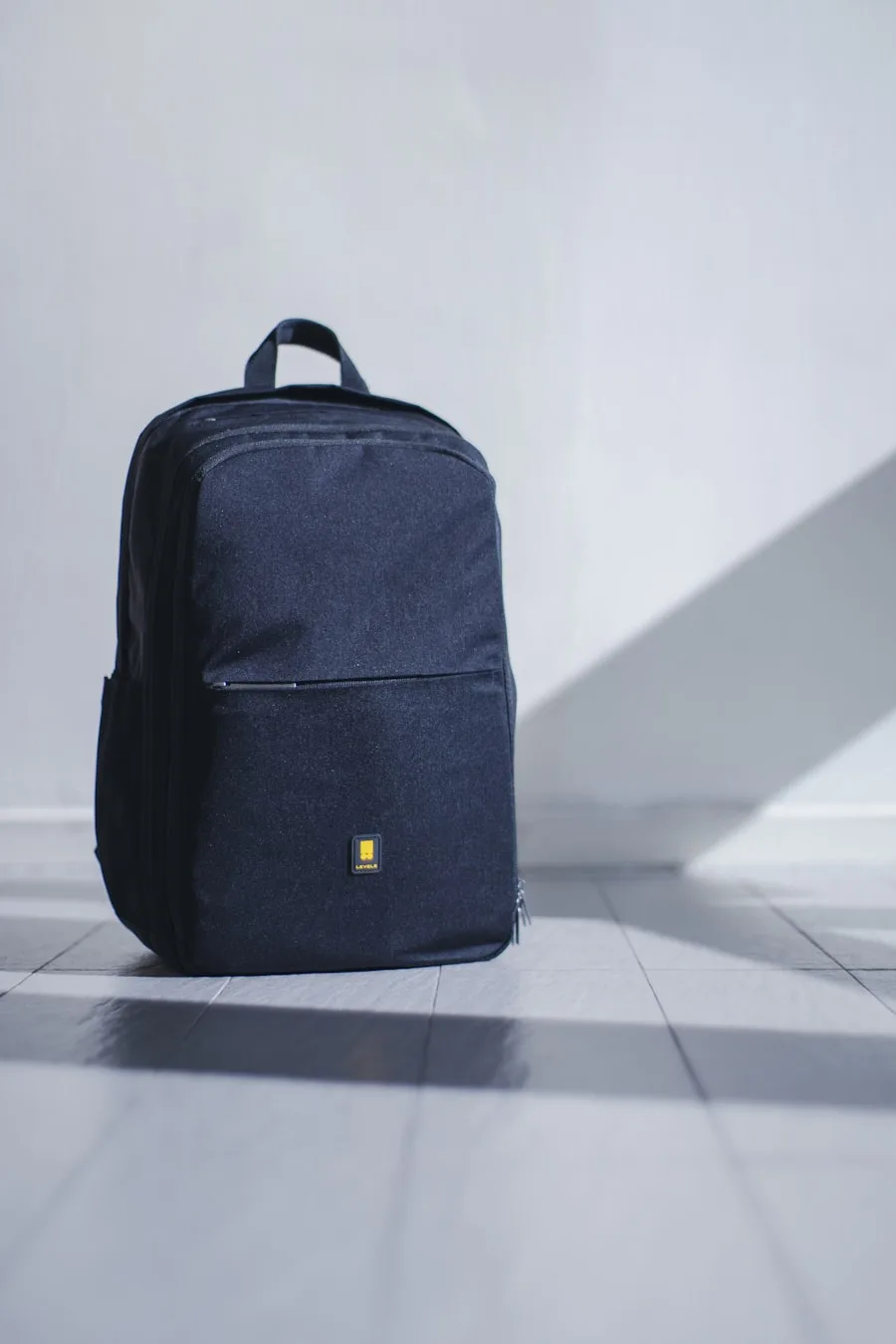
The arguments for packing light are the same ones you have read everywhere: faster through airports, no checked bag fees, no waiting at carousels. All of that is true.
The argument that the generic packing list misses is the one that applies specifically to solo travel. When you travel alone, you carry the bags yourself. All of them, all the time, through every train station, up every hostel staircase, off every overnight bus at 5am. There is no one to take one while you sort out the ticket machine. The bag that feels manageable at home feels very different at the end of a long travel day when you are the only one doing it.
There is also a practical safety argument: a traveler with a huge rolling suitcase and a full backpack looks like she has things worth taking and not enough hands to protect them. The carry-on traveler looks faster and harder to follow. That is not a guarantee of anything, but it is a real difference.
Most airlines allow a carry-on up to 22 by 14 by 9 inches and between 15 and 22 pounds depending on the carrier. Low-cost carriers in Europe enforce these limits tightly. Check your specific airline before you pack.
If you are going on your first solo trip, the single most useful thing you can do is commit to carry-on only. The constraint forces the decisions you will be glad you made.
Clothing
The goal with clothing is seven to nine days of outfits that work for city walking, one reasonable hike, and one dinner that is not casual, all from one bag, with two pairs of shoes. That constraint is uncomfortable the first time you face it. It becomes natural the first time you travel without having to think about a bag.
What goes in
- Tops, 3 to 4. A mix of something basic and something that holds up at dinner. Not everything needs to work for restaurants, but one of them should.
- Long-sleeve layer, 1. For cold evenings, air conditioning, and the shoulder covering you will need at more religious sites than you expect.
- Jeans or travel pants, 1. I have tried to travel without jeans twice. Both times I regretted it. They are difficult to source abroad in your specific size, and even in warm climates there is always a cool evening or a restaurant where shorts feel wrong.
- Dress or long skirt, 1. Versatile in a way trousers are not. Works for modesty requirements at churches and mosques. Doubles as your dinner outfit. One item with more jobs than anything else in the bag.
- Running shorts, 1. For sleep in hostel dorms and the occasional run.
- Underwear, 5 to 6 pairs. Quick-dry fabric is worth it for washing in the sink and having them ready the next morning.
- Bras, 2. One neutral, one sports.
- Socks, 3 pairs.
- Rain jacket, 1. A thin packable one. Not an umbrella. I have never met a solo traveler who was glad she brought a travel umbrella, and I have met several who were not.
For specific destinations in Europe, the clothing calculus shifts a bit. A dress covers more ground than you might expect, and European cities tend to favor a polished-casual look over athletic or overly casual gear.
What I stopped packing
This section is as useful as the one above.
I stopped packing a second dress because I never wore it. It went in because it might be nice and came home unworn. I stopped packing heels. I could name every city I have worn heels in while traveling solo, and the list is short enough that I have started to wonder if renting would make more sense. I stopped packing jeans times two, because one pair is laundry and two pairs is weight. I stopped packing anything I had not worn in the previous month at home. If I did not reach for it in ordinary life, I am not going to reach for it in Lisbon.
The rule I use now: write the list, then go through it one more time and ask which items you are packing because you know you will use them, and which ones you are packing because you might need them. Cut the second category. That category is almost always the umbrellas and the second dresses.
Shoes (exactly two pairs)
Each pair of shoes takes roughly the volume of four or five folded t-shirts. Two pairs is the ceiling for carry-on travel. More than two and something else does not fit.
The first pair is a walking shoe that handles a full city day and a dinner without looking like athletic wear. A leather sneaker or a versatile flat works. The second pair is a sandal or flip-flop: hostel shower, hot afternoon, beach, casual cafe.
For trips with significant hiking: wear the hiking shoes on the plane. They do not fit in the bag alongside everything else, and wearing them on the plane is not elegant, but it is honest about the constraint.
The solo weight argument applies here in a specific way. You are carrying these bags yourself for the full length of the trip. The third pair of shoes has a cost that is not measured in pounds, it is measured in the moment when you are on the wrong platform with three minutes to the train.
Toiletries and the female-specific list
The organizing constraint is the TSA liquid rule: as of 2026, each liquid container must be 100ml (3.4 oz) or under, and all liquids must fit in a single 1-quart clear zip bag. That bag fills faster than you expect. Verify the current rule at tsa.gov before you fly, as enforcement can vary.
What to bring versus buy at the destination:
General toiletries like shampoo and body wash: buy a small one locally or decant into a travel bottle. The 100ml limit is real and local products are usually adequate. Sunscreen is the exception I make: I bring my own face SPF because finding a reliable 50+ for sensitive skin abroad is harder than I want to deal with mid-trip, and I use more than I expect.
Feminine hygiene: stock up before you leave. Tampons, pads, and menstrual cups in the brands you know and trust are not always available in the same format in every country. This is not alarmist. It is a logistical note that most packing guides skip, and skipping it is how you end up hunting for a familiar brand in an unfamiliar pharmacy mid-trip.
The case for a menstrual cup: if you use one, it eliminates the carrying-supplies problem entirely for multi-week trips. If you have not tried one, a solo trip is a reasonable occasion to start, but not on day one of the trip. Test it at home first and give yourself a full cycle to adjust before you rely on it abroad. On the road, it is one less thing to manage, which matters when you are managing everything yourself.
Prescription medication: always in your carry-on. Never in the checked bag. This is not optional.
The safety layer: gear that gives you freedom, not fear
This is not a fear section. I want to be clear about that because most packing guides write it as one, and the framing is wrong.
The anti-theft bag, the door alarm, and the personal alarm are not items you pack because something is probably going to happen. They are items you pack because carrying them means you stop thinking about the thing they prevent, and you go back to thinking about the trip. For a deeper read on staying safe while solo, the solo female travel safety guide covers the mindset and the specific practices. This section is the gear list that supports that mindset.
Anti-theft crossbody bag. The most useful solo travel purchase I have made. What to look for: slash-resistant panels and straps with wire reinforcement, locking zipper pulls, an RFID-blocking pocket for your cards and passport. Use it as your day bag in cities. It is heavier than a regular bag. It is worth it. Pacsafe is one well-known brand in this category; verify current product lines at pacsafe.com before you buy, since the specific models update regularly.
Portable door lock. This one weighs almost nothing and wedges under a door to prevent it from being opened from outside. The scenario it addresses is the spare key a hostel or budget hotel has, and the door that does not lock as solidly as you would like. I have never needed mine in an emergency. I sleep better because I have it.
Personal alarm. A small device on your keychain that makes a very loud noise when activated. Look for something around 120 to 130 decibels. The Birdie alarm is one that comes up consistently in solo travel communities; verify it is still sold and current at getbirdie.com before you order. You may never use it. Carrying it changes how you walk at night, and that is most of the value.
Money belt. For higher-risk destinations or crowded transit, a money belt under your clothes for extra cash and a backup card makes sense. Not everywhere. This is a judgment call based on where you are going.
Power bank. I list this in electronics but I am naming it here first: a charged portable charger is a safety item. When your phone dies in an unfamiliar city at night, your ability to navigate, call, and request a ride goes with it. Carry a power bank with at least 10,000 mAh. The TSA currently allows up to 100 watt-hours in carry-on; check tsa.gov for the exact current limit before you fly.
The non-negotiables from this list: the anti-theft bag and the power bank. Everything else is judgment-call territory based on your destination and your comfort level.
Electronics
The solo traveler’s electronics list is actually shorter than the group traveler’s. You are not coordinating schedules or entertaining a traveling companion. You need the things that help you navigate, stay connected, and make the trip enjoyable when you are on your own.
- Phone. Your camera, your map, your boarding pass, your bank, your translation device. The one non-negotiable.
- Universal travel adapter with USB ports. Essential for international travel. The US uses Type A plugs; much of Europe uses Type C or F; the UK uses Type G. A genuine universal adapter covers all of them. Check which types your specific destinations use and verify the adapter before you go.
- Headphones or earbuds. This one the generic list undersells. For the long flight and the overnight train, yes. But also for sitting alone at dinner when you want music and not a conversation you did not choose. The ones you already own are fine. Noise-cancelling is not required.
- Kindle or e-reader. Optional on short trips, earns its space on anything over ten days. A book takes up the same space and weighs more.
- Luggage tracker. An AirTag or equivalent dropped into your day bag if you leave it at the accommodation. Useful for peace of mind rather than essential.
What to leave home: the laptop unless you are working. A dedicated camera unless photography is the point of the trip. A Bluetooth speaker.
The small things that earn their place
- Packing cubes. The organizational change I wish had happened sooner. One cube for clean clothes, one for used. You stop doing archaeology in your bag every morning.
- Lightweight scarf. Four uses in one item: warmth on cold evenings, modesty cover at religious sites where bare shoulders are not permitted, plane blanket when the cabin air conditioning is aggressive, and a beach cover. It weighs almost nothing and has no equivalent in the bag for utility.
- Eye mask and earplugs. For hostel dorms, early flights, overnight trains, and any morning when you want to sleep past 6am in a shared room. These are functional items for solo travel, not comfort extras.
- Small journal and pen. Practical before romantic: write down the name of the guesthouse, the street where you found the good cafe, the woman who helped you with directions. Also: dinner alone is easier when your hands have something to do besides hold your phone.
- TSA-approved lock. For the main bag zipper. Not a serious security measure on its own, but a deterrent.
- Copies of key documents. The photo page of your passport and your travel insurance information, stored separately from your originals in a different pocket of a different bag. Email them to yourself as well.
FAQ
What is the 5 4 3 2 1 packing rule?
It stands for five sets of underwear, four tops, three bottoms, two pairs of shoes, and one jacket. It is a framework for carry-on travel and a reasonable starting point for a 7 to 10 day trip. Adjust for trip length, climate, and specific planned activities.
What are the essential items for solo female travel specifically?
The items that differ from a general packing list are the anti-theft crossbody bag, a personal alarm, a portable door lock, and a full supply of feminine hygiene products in the brands you know, stocked before departure. Add a power bank and treat it as a safety item rather than a convenience.
What is the 3 3 3 rule for packing?
Three tops, three bottoms, three pairs of shoes. A simpler framework than the 5 4 3 2 1. Three pairs of shoes is a tight target for carry-on travel, but the principle of limiting each category to three is sound and forces the right decisions.
What is the most forgotten item when packing for a solo trip?
For solo female travel specifically: the portable door lock. Most first-time solo travelers have never thought to bring one. After the first hostel room where the door handle felt less solid than I wanted, it went on the list and has not left since.
The bottom line
Your first list will be heavier than it needs to be. That is not a failure. It is how you learn which items you actually used and which ones you packed because you were afraid of a version of the trip that did not arrive.
Use this as the starting point, adjust it for your climate and the length of the trip, then go through it one more time and cut the item you added last. That one is probably the umbrella.