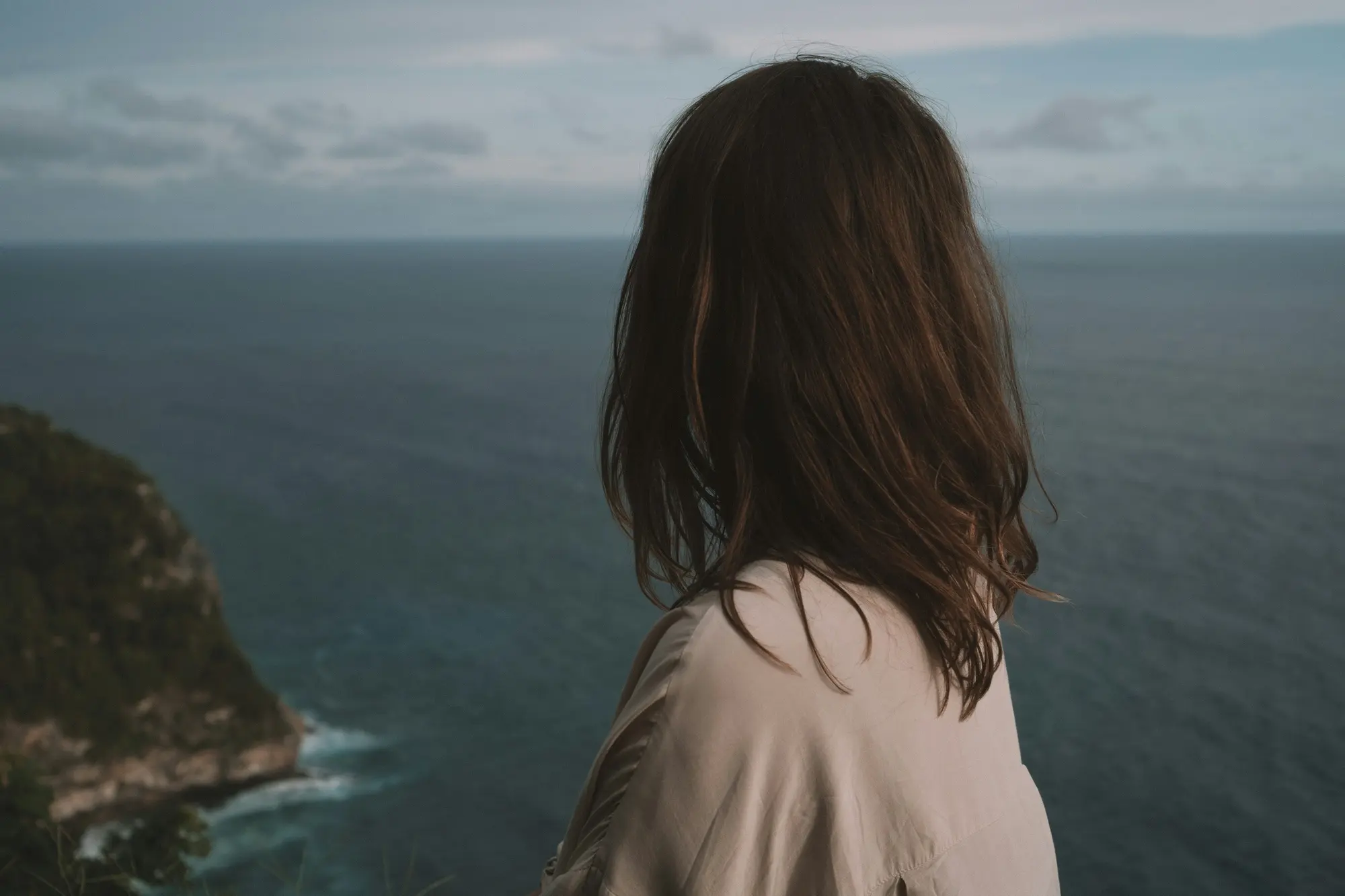
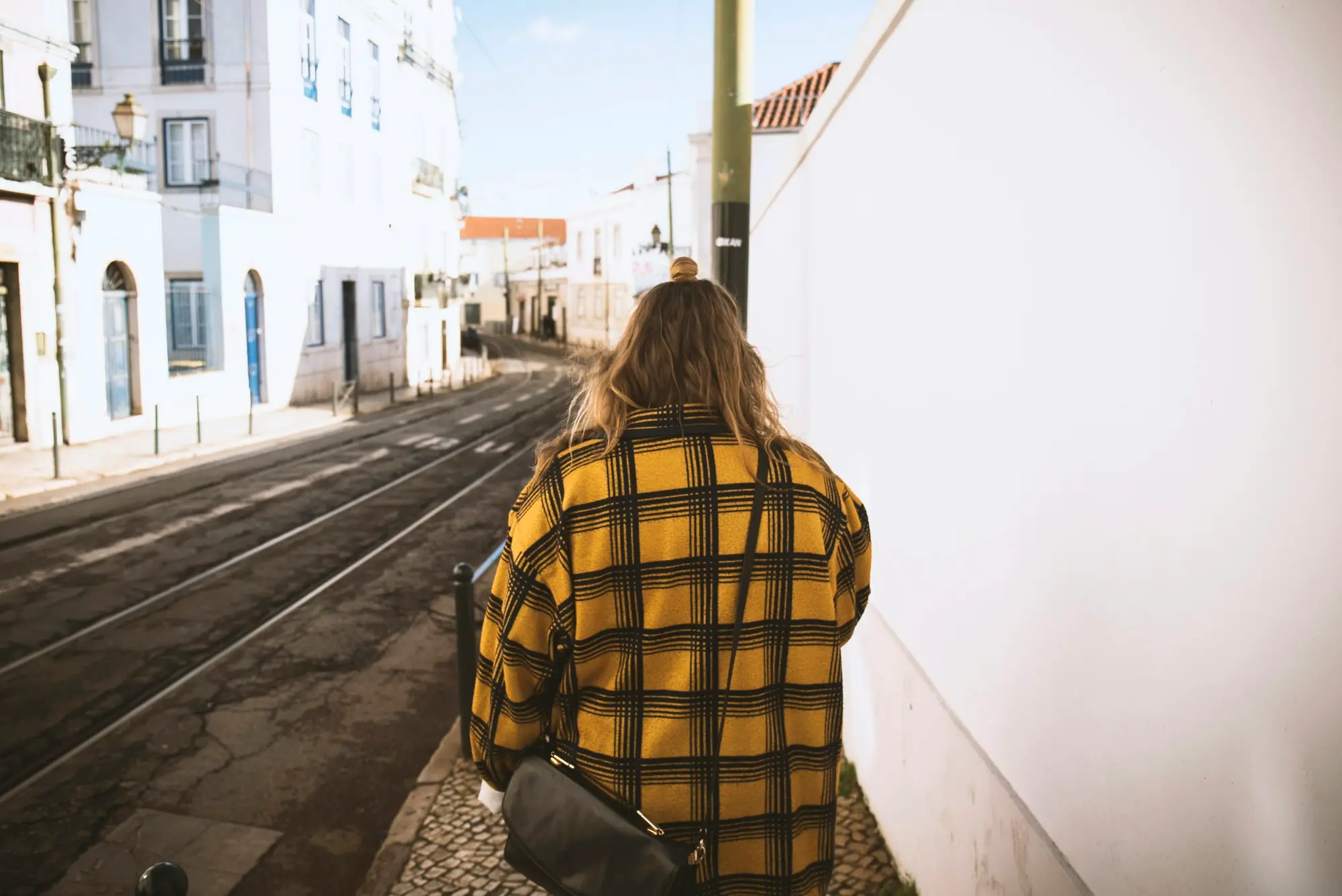
The strangest part of my divorce was not the fighting or the paperwork. It was the quiet. One Saturday I stood in my kitchen and realized the whole weekend was mine, empty, with no one to check in with about it, and I did not have the faintest idea what I actually wanted to do with a single hour of it. I had spent sixteen years being one half of a plan. I looked at that blank calendar and thought, with real fear, who even am I now.
If you are somewhere in that same silence, and you have typed “solo travel after divorce” into a search bar late at night more than once, I want to talk to you plainly. Whether you are traveling alone after a breakup or the end of a long marriage, the fear underneath it is usually the same. I did this. I left a marriage and a sixteen-year design career at 40, and at 41 I took myself to Portugal alone, terrified. This is the honest version of what that trip can do for you, where to point it, and what it will not do. I am not going to sell you a montage.
Why going alone helps after a divorce, and what it will not do
Let me start with the caveat, because everyone else buries it. Travel is not therapy. A plane ticket will not process your grief for you, and there is no city on earth where you land and the hard part is suddenly over. Some days on that first trip I felt fine, and some days I sat on a bench and cried about a marriage I had chosen to end. Both were true at once. If someone promises you that a trip will heal you, they are selling something.
Here is what it does do, and it is not small. For years my preferences had been sanded down to fit a shared life, and I had stopped noticing. Solo travel gives every decision back to you at once, in a compressed and slightly overwhelming rush. Where to eat, when to wake up, whether to sit in a square for two hours doing nothing. There is no one to negotiate with and no one to please. At first that felt like exposure. Then it started to feel like the return of a muscle I had forgotten I had.
That is the real reason people talk about traveling alone to find yourself after divorce, and it is less mystical than it sounds. You are not finding a new self on a beach. You are getting reacquainted with the one who was always making the room work for everyone else. She is still in there. She just needs a week where her opinion is the only one in the room. If anything, solo travel in your 40s or 50s has an advantage the guidebooks miss. You know yourself better than the 22-year-old with the backpack, and you are far less interested in impressing anyone.
Choosing a gentle first trip, and where to go
The instinct after a divorce is sometimes to go big and dramatic, to fly to the other side of the planet and blow the whole thing open. I would gently steer you the other way for the first one. You are already carrying a lot. Do not also make yourself decode a place with no shared alphabet and no easy way home. A first trip alone after divorce should be a soft landing, not a survival test.
Here is what I look for in a gentle first destination, and what I would tell you to look for:
- Close enough that the flight is not its own ordeal. A place you can reach in one hop, or with a single easy connection.
- Walkable, so you are not renting a car and navigating foreign roads while your nerves are already high.
- A language where you can get by, or where English is common enough in tourist areas that ordering dinner is not a daily test of courage.
- Good, simple public transport, so getting from the airport to your room is a solved problem before you land.
- A shoulder-season slot, so the crowds are thinner, the prices are lower, and the place feels calmer.
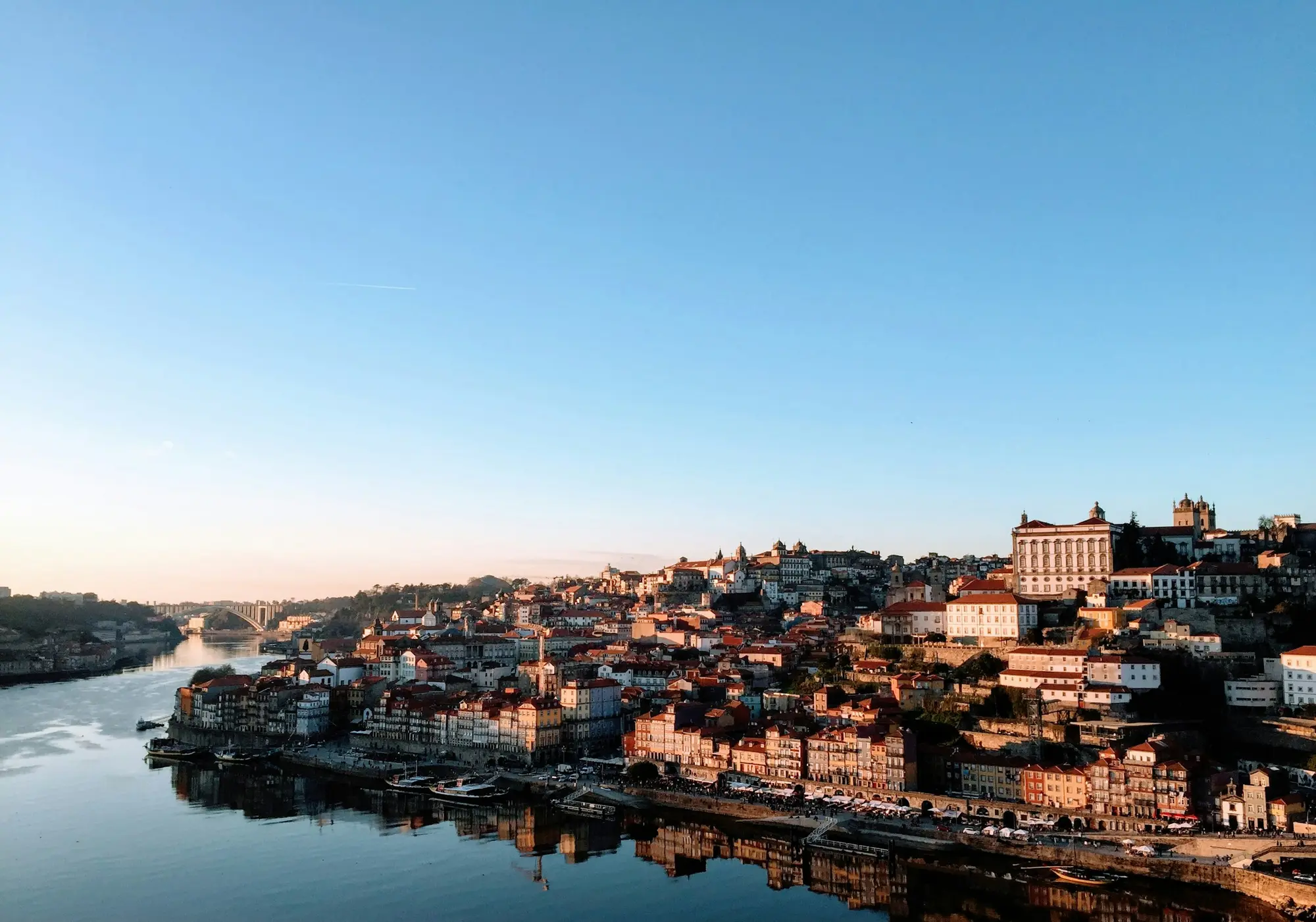
Portugal was my first, and I still send nervous first-timers there, so let me be specific and honest about it. As of July 2026, the U.S. State Department lists Portugal at Level 1, Exercise Normal Precautions, which is its lowest advisory tier. That is not a promise that nothing can happen. It is a sober read that violent crime against travelers is rare and the real, current thing to watch for is petty theft. Pickpocketing is persistent in the crush of tourist areas and on packed trams, so I keep my phone and cards zipped away in those spots. Porto is compact, walkable, and used to solo visitors, and eating alone there never once drew a second look. Verify your own government’s current advisory before you book, because a safety picture is a moving thing and no blog, including this one, replaces the official read on the week you actually travel.
If Portugal does not call to you, the same criteria point to plenty of gentle-first places. What matters is the shape of the trip, not the specific pin on the map.

Eating alone, loneliness, and the difference between the two
The fear I hear most, more than safety, is dinner. The table for one. I understand it completely, because it undid me too. Somewhere we absorbed the idea that a woman eating alone is a woman who failed to be chosen, and the first time you do it on purpose, in public, it can feel like standing in a spotlight.
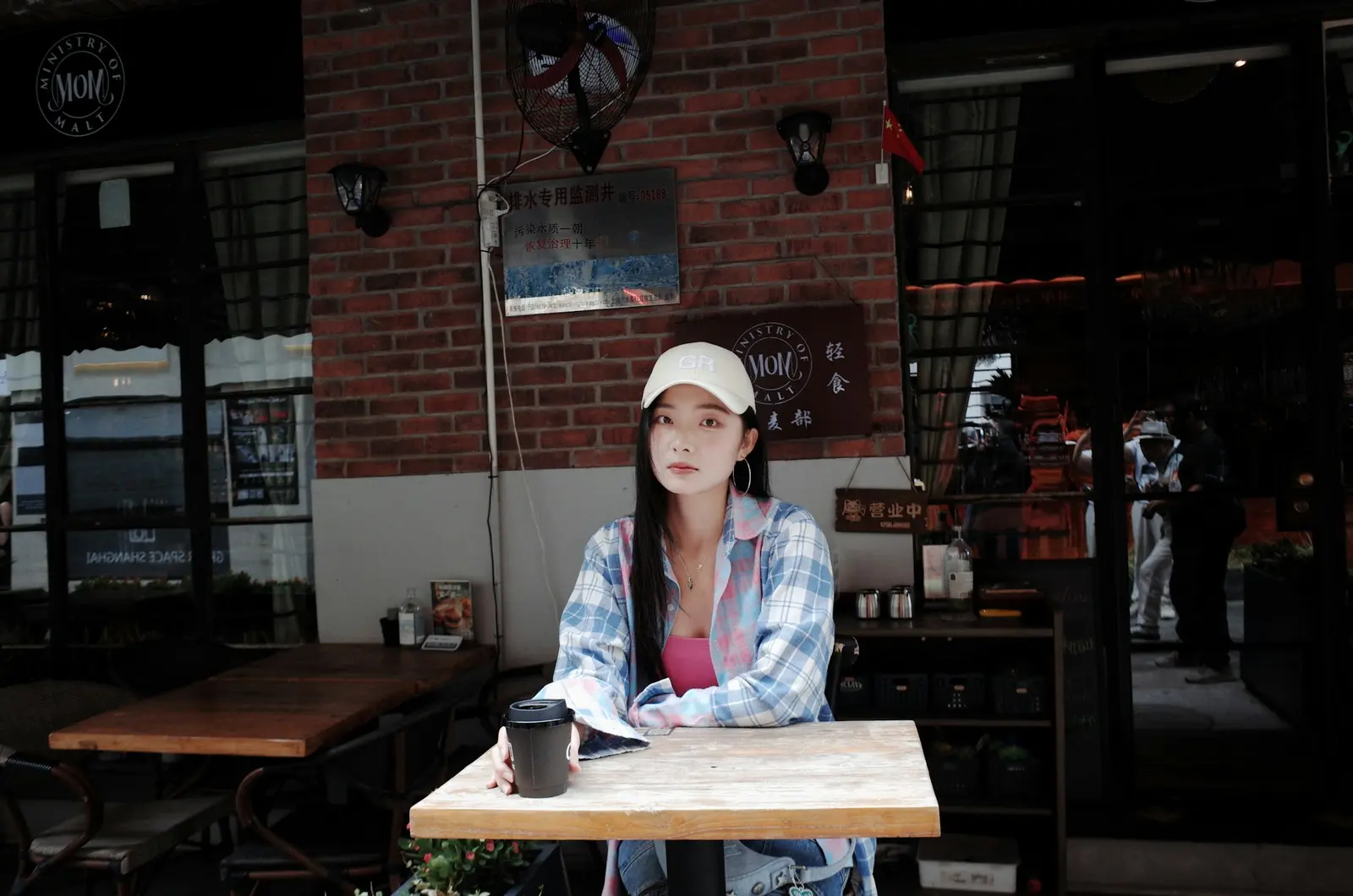
Here is what actually happens. Nobody is looking at you. The couple across the room is talking about their own day. The waiter has served ten solo diners this week and thinks nothing of it. On my first night in Porto I sat at a counter, ordered grilled fish and a glass of vinho verde, and braced for a scrutiny that simply never came. A counter seat is the easiest way in, because you are beside other people and facing the work of the kitchen, not marooned at a table in the middle of the room. Bring a book if you want an anchor for your eyes. By the third solo dinner, I stopped needing it.
I want to be honest about loneliness, because it is real and it is not the same as being alone. Solitude is the good version, the quiet you chose, the long slow coffee with your own thoughts for company. Loneliness is the ache that tends to show up at dusk, when the light goes soft and everyone else seems to be walking home to someone. It arrived most evenings, for a little while, and then it passed. The trick is not to pretend it will not come. The trick is to know it is a wave, not a verdict, and to have a small plan for it: a walk on a route you know, a call home to one person, a warm and busy cafe rather than the silence of your room.
Staying safe without living on high alert
The safety conversation for solo women is usually pitched at two useless extremes. One says the world is out to get you and you should barely leave the house. The other says just relax, you will be fine. Neither helps you make a decision. I do not believe any place is risk-free, and I would never tell you one is. I believe in being prepared enough that fear has less to grab onto.
What that looks like in practice is boring and specific, which is exactly why it works. I look up my neighborhood before I book, and I pick one that is central and well reviewed by other solo women. I get from the airport to my room in daylight when I can. I keep to lit, populated streets in the evening, the same instinct I use in any city at home. I tell my sister my address and that I arrived. I trust the small no, the quiet internal flinch that says not this street, not this cab, and I never argue myself out of it to be polite. None of this is hypervigilance. It is the same low-grade awareness you already run in your own city, carried to a new one, and then mostly you get to relax and enjoy where you are.
The money part, honestly, including the single supplement
Here is the truth nobody in the montage mentions. You are now funding your own trips out of one income, in a world that quietly prices everything for two. I travel modestly on purpose and I am not going to pretend otherwise. The good news is that a solo woman can go far on a real budget, especially in shoulder season, when flights and rooms drop and the crowds thin out.
The one cost that catches people off guard has a name, so let me define it plainly. The single supplement is a surcharge that hotels, cruises, and tour operators add when one person occupies a room or cabin that is priced for two. Because the room is sold on the assumption of double occupancy, the solo traveler is asked to make up some of the difference. As of July 2026, that surcharge commonly runs anywhere from about 10 percent to 100 percent of the standard rate, depending on the operator and the season. It is not a scam, it is a pricing structure, but it is real money and it stings when you are the one income covering it.
You can work around it. Independent travel usually dodges it entirely, since a small guesthouse or apartment simply charges you for the room without a couples premium. When you do want a tour, look for operators that advertise no single supplement or a waived one, which more of them now do as solo travel grows. And book the modest room without guilt. A clean, safe, well-located place you vetted yourself beats a fancier one you resent paying double for.
The part nobody frames right
On my last night in Porto I walked the river again, the same short loop I had been too scared to leave my room for a week earlier, and I noticed the fear was simply gone. Not conquered, not white-knuckled. Gone, the way a fever breaks. I had made every decision that week myself, eaten every meal at my own table, followed my own curiosity down streets no one had to agree to, and somewhere in there a version of me that had been switched off for a decade came back on.
I will not tell you that solo travel after divorce fixes your life, because it does not, and you would be right to distrust me if I did. The divorce will still be the hardest thing you did. Some evenings alone will still be hard, on the road and at home. What the trip gives you is narrower and more durable than a cure. It is proof, in your own handwriting, that you can land in an unfamiliar place, take care of yourself, feed yourself, find your way home, and enjoy your own company. That is not a small thing to hold when the rest feels uncertain.
So if you have had this trip open in your browser for months, closing the tab each time your nerve fails, here is the honest reassurance, minus the gloss. You do not need anyone’s permission. You will probably cry on the first night. And you should still go.
Safety and advisory notes are current as of July 2026 and are my honest read plus the official picture, not a permanent guarantee. Always check your own government’s current travel advisory before you book.